New electric vehicle to turn taxi industry on its head


REQUEST A QUOTE
admin
October 14, 2024
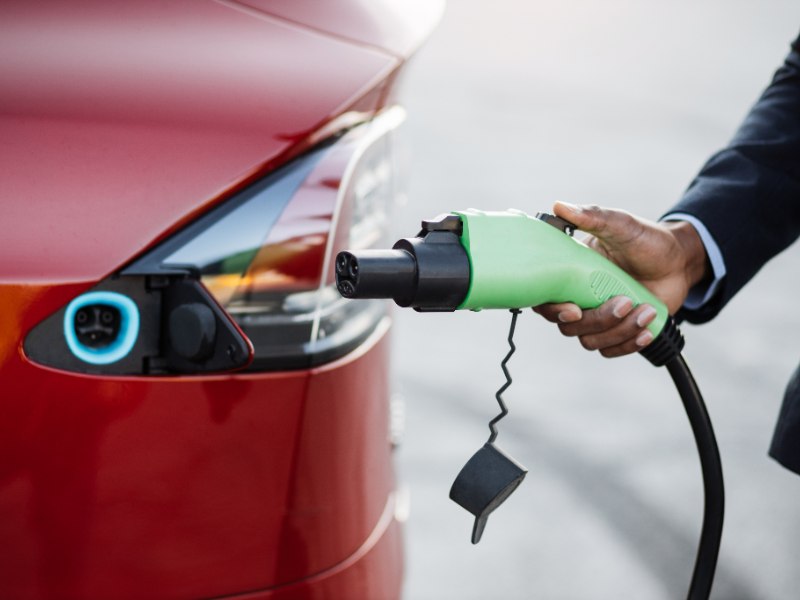
The successful adoption of electric vehicles (EVs) hinges on the ability of city governments to create a conducive environment for the development of EV infrastructure, including charging networks.
A new white paper by the World Economic Forum – Scaling Investment in EV Charging: A Policy Roadmap for Cities – says while city governments are pivotal in enabling this transition, private sector collaboration and investment is crucial.
“Some cities have made strides in scaling charging infrastructure, yet many face significant challenges in creating expansive, cohesive charging networks,” says the WEF.
Accounting for only 1% of new car sales globally in 2015, the latest figures show 14 million EV sales globally in 2023, accounting for around 18% of new sales. By 2040, it’s predicted there will be around 240 million passenger EVs on the road.
The lack of public and private charging options continues to be a major barrier to widespread EV adoption.
To support the expansion of charging infrastructure and encourage investment, the report outlines key strategies and interventions that city governments can make.
It says city governments should develop strategic plans for scaling EVs and charging infrastructure, supported by enabling policies and actions.
“Establishing clear goals and timelines for the rollout of EVs is vital, alongside engaging a diverse range of stakeholders in the strategic planning process.”
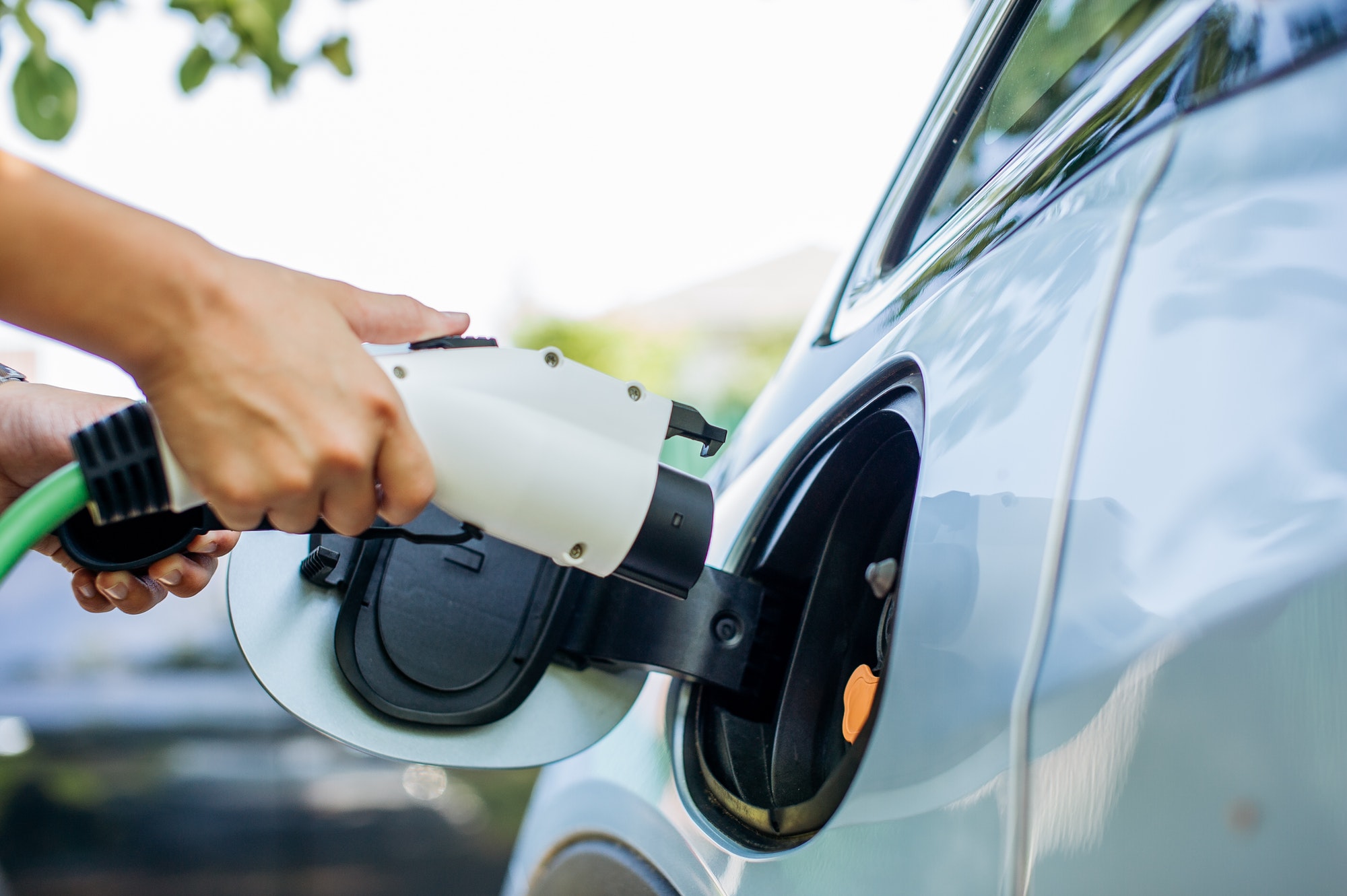

“In doing this, city governments can instill confidence among charge-point operators and investors regarding future local conditions and demand for charging infrastructure.”
Establishing regulations for charging infrastructure in residential and commercial buildings is vital for future-proofing these facilities, the Paper says.
“City governments should aim to streamline planning processes to reduce lead times for installation requests, thereby increasing the attractiveness of the market for charge-point operators.
“Furthermore, any city-level grants or incentives should be accessible to a wide range of stakeholders, focusing on outcomes rather than limiting funding to traditional business models.”
The WEF stresses that standardisation of charging infrastructure is critical to ensure reliability and accessibility for all vehicle models, enabling an inclusive charging experience for all EV users, residents and visitors alike.
Another factor is data, which plays a crucial role in shaping how city governments and stakeholders understand current and future charging needs.
“Cities should leverage existing data on EV ownership, traffic demand forecasts and the infrastructure planned in order to guide investment decisions.
“Regular, standardised data from charge-point operators on charging usage can inform city policies and help build robust business cases for investment.”
The Paper says collaborative planning with distribution system operators can enhance data access, enabling cities to better understand local frameworks and facilitate connections that may lead to favourable access rates for charging infrastructure.
Also, as the demand for EV charging grows, city governments must proactively address grid capacity and access to electricity.
“While existing grids may accommodate short-term charging needs, the demand for larger charging stations, particularly those serving fleet vehicles, will require additional power sources.
“City governments should plan for supplementary power sources and align these projects with grid expansion plans. Encouraging the adoption of bidirectional charging at fleet and large vehicle sites can bolster grid stability and future-proof infrastructure.”
Streamlining processes for accessing the grid and identifying ideal sites for charging stations will further facilitate the integration of EV infrastructure into the existing energy landscape.
The Paper says EVs will play a pivotal role in the transport sector’s transition to zero emissions.
But while global sales are surging, in many cities the development of publicly-available charging infrastructure is not progressing quickly enough to meet this growing demand.
Have questions or ready to make the switch? Reach out to our team for personalized support and expert advice.
+27 10 824 1395.